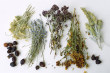

Celastrus Paniculata / Cognitol oil (Softgels) |
View All Products |
Product Code: BO-07003
On Sale For 25% Off!
Celastrus seed oil has been used to support healthy Brain & Nerve function, promoting memory and learning. Celastrus is reported to have aphrodisiac –like effects and promotes feelings of well-being. It is considered a powerful brain tonic that sharpens memory and promotes intelligence. Studies show that it improves memory process in rats and produced improvements in the IQ of mentally challenged children.
Doseage: 1-3 softgels twice a day.
Each softgel contains 100 mg of oil. Contains the pure, cold-pressed oil from the seeds and nothing else. No buffers, extenders or chemical additives.
"The products of this plant used clinically are considered safe with low toxicity.
More information:
This information is provided for educational purposes only and no medical claims are made or implied.
These statements have not been reviewed by the FDA for accuracy. These products are not meant to diagnose, treat, prevent or cure any disease or condition. Their use is regarded only in terms of health supplements which may or may not have intrinsic value.
Studies & References:
Celastrus paniculatis is a shrub used in Ayurdevic medicine in India. Various properties are attributed to the aerial parts of the plant, but we will deal here primarily with the seeds and the oil expressed from them. Celastrus paniculatis seeds and oil have long been regarded in India as beneficial to the intellect and memory. "…The seeds…are hot, bitter, dry, acrid, appetizer, emetic expectorant, sodorific, liver tonic, aphrodisiac, stimulant, powerful brain tonic, stimulate intellect and sharpen memory…cure joint pain, paralysis, rheumatism, weakness; seed oil enriches the blood, cures abdominal complaints, stomachic, tonic, treats cough, asthma, leprosy, headaches, leucoderma…Seeds used externally on foul, indolent ulcers and scabies….From seeds…an oil is obtained…it is said to be excellent for beri-beri (note: vitamin B1 deficiency disease) and 10-15 drops daily acts as a powerful stimulant, followed in a few hours by a free diaphoresis, unattended by subsequent exhaustion; oil is used in courts and colleges to increase intelligence…" (Indian Medicinal Plants vol. 1 Lalit Mohan, Basu, India)
"…The seeds are acrid, bitter, thermogenic, emollient, stimulant, intellect promoting, digestive, laxative, emetic, expectorant, appetiser, aphrodesiac, cardiotonic, anti-inflammatory, diuretic, emmenagogue, diaphoretic, febrifuge and tonic, and are useful in abdominal disorders, leprosy, pruritis, skin diseases, paralysis, cephalalgia, arthralgia, asthma, leucoderma, cardiac debility, inflammation, stranguary, neuropathy, amenorrhoea, dysmenorrhoea and fever and for stimulating the intellect and sharpening the memory. The seed oil is bitter, thermogenic and intellect promoting and is useful in abdominal disorders, beri-beri and sores."
(Indian Medicinal Plants, a compendium of 500 species, V.2,Orient Longman 1994)
"…Decoction and oil of the seed are considered a powerful stimulant for neuromuscular system and are given in rheumatism, gout and paralysis. It is used as a brain tonic to promote intelligence and to sharpen the memory.."
(Major Medicinal Plants of India, R.S. Thakur, H.S. Puri and Akhtar Husain, Central Institute of Medicinal and Aromatic Plants, Lucknow, India. 1989)
"…Oil is rubefacient; seeds are alterative, stimulant and nervine; seeds and oil stimulate intellect and sharpen memory…Uses: Oil with benzoin, cloves, nutmeg and mace added is a sovereign remedy for beri-beri (Note: vitamin B-1 deficiency caused disease) and a powerful stimulant…oil is used as a pomade for relieving rheumatic pains of a malarious character and in paralysis. It is also used in a pomatum made by mixing one part of the oil in 8 parts of butter for application to the head. It is known as ‘magzsudhi’ (brain clearer) and believed to promote intelligence." (Indian Materia Medica, Dr. K. M. Narkarni)
"…The seeds have a bitter sharp taste; expectorant, tonic to the brain and liver; cure joint pain, paralysis and weakness. In addition to the properties of the seeds, the oil is stomachic, tonic, good for cough and asthma; used in leprosy; cures headaches and leucoderma…The seeds are thought to be hot and dry, aphrodisiac and stimulant, useful both as an external and internal remedy in rheumatism, gout, paralysis, leprosy and other disorders…Crushed and combined with aromatics they are very efficient in removing pains of a rheumatic or malarious nature. Bruised and formed into a poultice they are a good stimulant application to foul, unhealthy and indolent ulcers. The seeds are supposed to have the property of stimulating the intellect and sharpening the memory."
Recent studies have shown Celastrus oil has the ability to increase the intelligence of mentally retarded children. "It is concluded...that Celastrus oil has a beneficial effect on the learning and memory process in mentally retarded children." (‘Studies on biogenic amines and their metabolites in mentally retarded children in Celastrus oil therapy’ K. Nalina, A.R. Aroor. K.B. Kumar and Anjali Rao, Alternative Medicine, vol 1 #4 pg 355-360. 1986)
Shelf Life
The oil in its raw state has a shelf life of 2 years if kept in a cool and dark place such as a refrigerator. When put into softgels the shelf life can be expected to be much longer, on the order of four years if kept in a dark and refrigerated state.
Safety
There are many studies that show the oil is not harmful even in doses many hundreds of times those normally administered. "…No mortality was observed following oral administration of Celastrus oil even with the highest doses. Celastrus oil administration up to the highest dose (5 g/kg body weight)* did not produce any toxic effect on the normal behavior of the rats…Celastrus oil did not impair motor coordination at any dose level.." *3500 times the softgel dose of 100mg.
‘Effects of Celastrus paniculatis on passive avoidance performance and biogenic amine turnover in white rats’ K. Nalina, K.S. Karanth, A. Rao and A.R. Aroor. Journal of Ethnopharmacology 47 (1995) 101-108.
Dosage:
2-10 drops of oil twice a day (1-3 caps 2 times per day)…"
‘(Selected Medicinal Plants of India [A Monograph of Identity, Safety and Clinical usage])’ Published by Basic Chemicals, Pharmaceuticals, and Cosmetics Export Promotion Council, Bombay, India (Set up by the Ministry of Commerce, Government of India) pg. 82.
"…ten to fifteen drops twice daily acts as a powerful stimulant…unattended by subsequent exhaustion."
(Indian Medicinal Plants vol. 1 Lalit Mohan, Basu, India)
References
1) Indian Medicinal plants, Vol. 1. Lalit Mohan, Basu, India.
2) "Effects of Celastrus paniculatis on passive avoidance performance and biogenic amine turnover in albinio rats" Nalina, et. Al. 1995. Journal of Ethnopharmacology 47:101-108
3) "Indian Materia Medica" by Dr. K.M. Nadkarni
4) "Indian Medicinal Plants" by B.D. Basu and K.R. Kirtikar
5) "Major Medicinal Plants of India" by R.S. Thakur, H.S. Puri and Akhtar Husain pgs. 156-69.
6) "Indian Medicinal Plants, vol 2" edited by P.K. Warrier, V.P.K. Nambiar and C. Ramankutty pgs. 47-51
Additional Research
Celastrus paniculatus seed oil and organic extracts attenuate hydrogen
peroxide- and glutamate-induced injury in embryonic rat forebrain
neuronal cells**.
peroxide- and glutamate-induced injury in embryonic rat forebrain
neuronal cells**.
Phytomedicine: International Journal of Phytotherapy & Phytopharmacology - January 1, 2006
P.B. Godkar
Word count: 5734.
citation details
Abstract
Seed oil of Celastrus paniculatus Willd. (CP) has been reported to improve memory and the methanolic extract (ME) of CP was shown to exhibit free-radical-scavenging properties and anti-oxidant effects in human non-immortalized fibroblasts. In the present study, we have investigated thee-radical-scavenging capacity of CP seed oil (CPO) and two extracts, an ethanolic extract (EE) and a ME. CPO and EE showed dose-dependent, free-radical-scavenging capacity, but to a lesser degree than observed for ME. Oxidative stress involves the generation of free radicals and free radical scavenging is one of the mechanisms of neuroprotection. We therefore investigated the effects of CPO, ME, and EE for protection against hydrogen peroxide ([H.sub.2][O.sub.2])- and glutamate-induced neurotoxicity in embryonic rat forebrain neuronal cells (FBNC).
Pretreatment of neuronal cells with CPO
dose-dependently attenuated [H.sub.2][O.sub.2]-induced neuronal death. Pre-treatment with ME and EE partially attenuated [H.sub.2][O.sub.2]-induced toxicity, but these extracts were less effective than CPO for neuronal survival. In [H.sub.2][O.sub.2]-treated cells, cellular superoxide dismutase (SOD) activity was unaffected, but catalase activity was decreased and levels of malondialdehyde (MDA) were increased. Pre-treatment with CPO, ME, or EE increased catalase activity and decreased MDA levels significantly. Also, CPO pre-treatment attenuated glutamate-induced neuronal death dose-dependently. The activity of cellular acetylcholinesterase (AChE) was not affected by CPO, ME, or EE, suggesting that the neuroprotection offered by CPO was independent of changes in AChE activity. Taken together, the data suggest that CPO, ME, and EE protected neuronal cells against [H.sub.2][O.sub.2]-induced toxicity in part by virtue of their antioxidant properties, and their ability to induce antioxidant enzymes. However, CPO, which exhibited the least antioxidant properties, was the most effective in preventing neuronal cells against [H.sub.2][O.sub.2]- and glutamate-induced toxicities. Thus, in addition to free-radical scavenging attributes, the mechanism of CP seed component (CP-C) neuroprotection must be elucidated. [c] 2005 Elsevier GmbH. All rights reserved.
Keywords: Celastrus paniculatus; Celastraceae; Antioxidants; Neuroprotection; Neuronal cells; Free
radicals; Glutamate; Hydrogen peroxide; Neurodegenerative diseases; Neurotoxicity
Introduction
Ayurveda, a traditional Indian medicinal system, employs many medicinal plants in the treatment of cognitive dysfunction, insomnia and epilepsy (Chopra et al., 1958). One of these is Celastrus paniculatus Willd. (CP) (Celastraceae), a plant known for centuries as the "Elixir of life". CP is well known for its ability to improve memory (Nadkarni, 1976). Pharmacological studies suggest that the oil obtained from the seeds of CP possesses sedative and anticonvulsant properties (Gaitonde et al., 1957). CP seed oil (CPO) has been reported to exert a number of additional pharmacological actions such as analgesic (Ahmad et al., 1994), anti-malarial (Ayudhaya et al., 1987), anti-inflammatory (Dabral and Sharma, 1983), anti-bacterial (Patel and Trivedi, 1962), insecticidal (Atal et al., 1978), hypolipidemic (Khanna et al., 1991), and anti-spermatogenic (Wangoo and Bidwai, 1988). CPO also has beneficial effects in treating psychiatric patients (Hakim, 1964). Studies using CPO treatment showed improved memory processes in
rats (Karanth et al., 1981), and CPO therapy in mentally retarded children was shown to improve certain psychological attributes, including IQ (Nalini et al., 1986). In another study, rats treated with CPO for 15 days exhibited a significant decrease in the levels of norepinephrine, dopamine, serotonin, and their respective metabolites in both brain and urine (Nalini et al., 1995). Chronic treatment with CPO reversed scopolamine-induced deficits in the navigational memory performance of rats (Gattu et al., 1997). Thus, CPO has many diverse pharmacological actions. Recently, a methanolic extract (ME) of CP plant material was shown to have free-radical-scavenging effects, and was also capable of reducing hydrogen peroxide ([H.sub.2 [O.sub.2])-induced cytotoxicityand DNA damage in human non-immortalized fibroblasts (Russo et al., 2001). This would suggest that CP plant material might prevent neuronal cell damage resulting from oxidative stress In neurodegenerative diseases such as Alzheimer's disease and Parkinson's disease and complement the natural antioxidant defense system. Similarly, head injuries and exposure to pesticides or organophosphates also may induce the generation of oxygen-derived free radicals that can damage neuronal cells or result in glutamate-induced neurotoxicity (Zivin and Choi, 1991; Hall and McCall, 1994).
It is possible that CP seed components (CP-Cs) may protect neuronal cells from glutamate-induced toxicity.
Based on antioxidant studies and its Ayurvedic reputation, CP plant extracts, which can be readily
obtained, easily prepared, and exhibit minimal side-effects, may be useful in preventing neuronal cells
against [H.sub.2][O.sub.2]- and glutamate-induced toxicity. Therefore, in the present study, we have
investigated the superoxide scavenging effects of CPO and two extracts, ethanolic extract (EE) and ME,
and their neuroprotective effects to [H.sub.2][O.sub.2]-induced oxidative stress and glutamate-induced
toxicity using an enriched neuronal cell culture.
Materials and methods
Chemicals
All chemicals were purchased from Sigma-Aldrich Co. (St. Louis, MO, USA).
Plant material
CP seeds were purchased from a local market in Mumbai, India, and were identified by the Agharkar
Research Institute, Pune, India. The CPO was obtained from Shree Narayan Ayurvedic Pharmacy,
Ahmedabad, India. The ME of CP seeds was obtained as follows: To 150 g finely powdered seed
material, 250 ml of methanol was added and subjected to the Soxhlet extraction method for 18 h. The
extraction material was evaporated to dryness. The extraction yield was about 26%. The EE of CP seeds
was obtained as follows: To 150 g finely powdered seed material, 250 ml of ethanol was added and
subjected to the Soxhlet extraction method for 18 h. The extraction material was evaporated to dryness.
The extraction yield was about 20%.
CP-C were screened initially using various concentrations in pilot experiments to assess their
free-radical-scavenging and neuroprotective effects against [H.sub.2][O.sub.2]- and glutamate-induced
toxicity. The effective concentrations of CP-Cs or their controls (dimethyl sulfoxide (DMSO) and Tween 20) did not interfere with the reaction mixtures used in the assays (e.g. free-radical-scavenging effects) or affect cellular viability.
Free-radical-scavenging activity
Quenching of 1,1-diphenyl-2-picryl-hydrazyl radical (DPPH): The free-radical-scavenging capacities of
CPO, ME and EE were tested by their ability to bleach the color of stable DPPH (Bonina et al., 1998).
The reaction mixture contained 86 [micro]M DPPH, and 100 [micro]l extracts (312-1250 [micro]g/ml CPO,
ME, or EE) prepared in DMSO in 100 [micro]l ethanol. After 20 min, the absorbance of 300 [micro]l
aliquots was obtained at 517 nm using a SpectraMax 384 microplate reader and SoftMax Pro software
(Molecular Devices, Sunnyvale, CA). Control consisted of DPPH containing 0.033% DMSO. ME was
used as a standard because it has been reported to bleach DPPH significantly (Russo et al., 2001).
Scavenger effects on superoxide anions: The CP-C extracts were prepared in DMSO containing 0.4%
Tween 20. They were diluted 1:10 in phosphate-buffered saline (PBS, pH 7.4), and filtered through 0.45
[micro]m sterile filters. Superoxide ion was generated in vitro as described by Paoletti et al. (1986). The
assay mixture contained, in a total volume of 300 [micro]l: 100 mM triethanolamine-diethanolamine buffer
(pH 7.4); 3 mM NADH; 25 mM/12.5 mM EDTA/Mn[Cl.sub.2], 10 mM [beta]-mercaptoethanol; and 50
[micro]l extracts (400-1600, 100-400, 200-800 [micro]g/ml each of CPO, ME, and EE, respectively).
dose-dependently attenuated [H.sub.2][O.sub.2]-induced neuronal death. Pre-treatment with ME and EE partially attenuated [H.sub.2][O.sub.2]-induced toxicity, but these extracts were less effective than CPO for neuronal survival. In [H.sub.2][O.sub.2]-treated cells, cellular superoxide dismutase (SOD) activity was unaffected, but catalase activity was decreased and levels of malondialdehyde (MDA) were increased. Pre-treatment with CPO, ME, or EE increased catalase activity and decreased MDA levels significantly. Also, CPO pre-treatment attenuated glutamate-induced neuronal death dose-dependently. The activity of cellular acetylcholinesterase (AChE) was not affected by CPO, ME, or EE, suggesting that the neuroprotection offered by CPO was independent of changes in AChE activity. Taken together, the data suggest that CPO, ME, and EE protected neuronal cells against [H.sub.2][O.sub.2]-induced toxicity in part by virtue of their antioxidant properties, and their ability to induce antioxidant enzymes. However, CPO, which exhibited the least antioxidant properties, was the most effective in preventing neuronal cells against [H.sub.2][O.sub.2]- and glutamate-induced toxicities. Thus, in addition to free-radical scavenging attributes, the mechanism of CP seed component (CP-C) neuroprotection must be elucidated. [c] 2005 Elsevier GmbH. All rights reserved.
Keywords: Celastrus paniculatus; Celastraceae; Antioxidants; Neuroprotection; Neuronal cells; Free
radicals; Glutamate; Hydrogen peroxide; Neurodegenerative diseases; Neurotoxicity
Introduction
Ayurveda, a traditional Indian medicinal system, employs many medicinal plants in the treatment of cognitive dysfunction, insomnia and epilepsy (Chopra et al., 1958). One of these is Celastrus paniculatus Willd. (CP) (Celastraceae), a plant known for centuries as the "Elixir of life". CP is well known for its ability to improve memory (Nadkarni, 1976). Pharmacological studies suggest that the oil obtained from the seeds of CP possesses sedative and anticonvulsant properties (Gaitonde et al., 1957). CP seed oil (CPO) has been reported to exert a number of additional pharmacological actions such as analgesic (Ahmad et al., 1994), anti-malarial (Ayudhaya et al., 1987), anti-inflammatory (Dabral and Sharma, 1983), anti-bacterial (Patel and Trivedi, 1962), insecticidal (Atal et al., 1978), hypolipidemic (Khanna et al., 1991), and anti-spermatogenic (Wangoo and Bidwai, 1988). CPO also has beneficial effects in treating psychiatric patients (Hakim, 1964). Studies using CPO treatment showed improved memory processes in
rats (Karanth et al., 1981), and CPO therapy in mentally retarded children was shown to improve certain psychological attributes, including IQ (Nalini et al., 1986). In another study, rats treated with CPO for 15 days exhibited a significant decrease in the levels of norepinephrine, dopamine, serotonin, and their respective metabolites in both brain and urine (Nalini et al., 1995). Chronic treatment with CPO reversed scopolamine-induced deficits in the navigational memory performance of rats (Gattu et al., 1997). Thus, CPO has many diverse pharmacological actions. Recently, a methanolic extract (ME) of CP plant material was shown to have free-radical-scavenging effects, and was also capable of reducing hydrogen peroxide ([H.sub.2 [O.sub.2])-induced cytotoxicityand DNA damage in human non-immortalized fibroblasts (Russo et al., 2001). This would suggest that CP plant material might prevent neuronal cell damage resulting from oxidative stress In neurodegenerative diseases such as Alzheimer's disease and Parkinson's disease and complement the natural antioxidant defense system. Similarly, head injuries and exposure to pesticides or organophosphates also may induce the generation of oxygen-derived free radicals that can damage neuronal cells or result in glutamate-induced neurotoxicity (Zivin and Choi, 1991; Hall and McCall, 1994).
It is possible that CP seed components (CP-Cs) may protect neuronal cells from glutamate-induced toxicity.
Based on antioxidant studies and its Ayurvedic reputation, CP plant extracts, which can be readily
obtained, easily prepared, and exhibit minimal side-effects, may be useful in preventing neuronal cells
against [H.sub.2][O.sub.2]- and glutamate-induced toxicity. Therefore, in the present study, we have
investigated the superoxide scavenging effects of CPO and two extracts, ethanolic extract (EE) and ME,
and their neuroprotective effects to [H.sub.2][O.sub.2]-induced oxidative stress and glutamate-induced
toxicity using an enriched neuronal cell culture.
Materials and methods
Chemicals
All chemicals were purchased from Sigma-Aldrich Co. (St. Louis, MO, USA).
Plant material
CP seeds were purchased from a local market in Mumbai, India, and were identified by the Agharkar
Research Institute, Pune, India. The CPO was obtained from Shree Narayan Ayurvedic Pharmacy,
Ahmedabad, India. The ME of CP seeds was obtained as follows: To 150 g finely powdered seed
material, 250 ml of methanol was added and subjected to the Soxhlet extraction method for 18 h. The
extraction material was evaporated to dryness. The extraction yield was about 26%. The EE of CP seeds
was obtained as follows: To 150 g finely powdered seed material, 250 ml of ethanol was added and
subjected to the Soxhlet extraction method for 18 h. The extraction material was evaporated to dryness.
The extraction yield was about 20%.
CP-C were screened initially using various concentrations in pilot experiments to assess their
free-radical-scavenging and neuroprotective effects against [H.sub.2][O.sub.2]- and glutamate-induced
toxicity. The effective concentrations of CP-Cs or their controls (dimethyl sulfoxide (DMSO) and Tween 20) did not interfere with the reaction mixtures used in the assays (e.g. free-radical-scavenging effects) or affect cellular viability.
Free-radical-scavenging activity
Quenching of 1,1-diphenyl-2-picryl-hydrazyl radical (DPPH): The free-radical-scavenging capacities of
CPO, ME and EE were tested by their ability to bleach the color of stable DPPH (Bonina et al., 1998).
The reaction mixture contained 86 [micro]M DPPH, and 100 [micro]l extracts (312-1250 [micro]g/ml CPO,
ME, or EE) prepared in DMSO in 100 [micro]l ethanol. After 20 min, the absorbance of 300 [micro]l
aliquots was obtained at 517 nm using a SpectraMax 384 microplate reader and SoftMax Pro software
(Molecular Devices, Sunnyvale, CA). Control consisted of DPPH containing 0.033% DMSO. ME was
used as a standard because it has been reported to bleach DPPH significantly (Russo et al., 2001).
Scavenger effects on superoxide anions: The CP-C extracts were prepared in DMSO containing 0.4%
Tween 20. They were diluted 1:10 in phosphate-buffered saline (PBS, pH 7.4), and filtered through 0.45
[micro]m sterile filters. Superoxide ion was generated in vitro as described by Paoletti et al. (1986). The
assay mixture contained, in a total volume of 300 [micro]l: 100 mM triethanolamine-diethanolamine buffer
(pH 7.4); 3 mM NADH; 25 mM/12.5 mM EDTA/Mn[Cl.sub.2], 10 mM [beta]-mercaptoethanol; and 50
[micro]l extracts (400-1600, 100-400, 200-800 [micro]g/ml each of CPO, ME, and EE, respectively).
After 20 min of incubation, the decrease in absorbance was measured at 340 nm with the microplate reader.
The results were compared with a control assay mixture as described above (except [beta]-mercaptoethanol) containing 50 [micro]l PBS, a negative control containing the assay mixture and 50 [micro]l PBS and vehicle containing the assay mixture, and 50 [micro]l of 1:10 diluted DMSO
(containing 0.4% Tween 20). ME was used as a standard because it was reported to have scavenger
effects on superoxide ions (Russo et al., 2001).
Study on cell culture
Cell culture: Enriched forebrain neuronal cell (FBNC) cultures were prepared from 17-day-old embryos
derived from Sprague-Dawley rats (Taconic, Germantown, NY), as described previously (Ved et al.,
1991, 1997). The forebrain was removed from the embryonic rat brain by gross dissection using a
dissecting microscope, taking care to discard the meninges and blood vessels. Cultures were maintained
in a serum-containing medium and on the third day the medium was refreshed with a serum-free defined
medium. Enrichment of the neuronal culture was assessed by cell-type-specific neurochemical and
immunological techniques (Ved et al., 1991; Dave et al., 1997).
CP-C used in neuronal cell cultures: CPO, ME, or EE (0.01-10 [micro]g) was dissolved in a combination
of DMSO and Tween 20. Suitable dilutions of CP-Cs were prepared in PBS (pH 7.4, final concentration of
DMSO <0.05% and Tween-20 <0.01%). At these concentrations, the CP-Cs, DMSO, or Tween 20 were
not toxic to the FBNC and did not affect the toxicities of glutamate or [H.sub.2][O.sub.2].
Hydrogen peroxide-induced neurotoxicity and evaluation of the protection offered by CP-C: The culture
medium was removed from 10-day-old neuronal cells and replaced with Locke's solution consisting of (in
mM) NaCl, 154; KCl, 5.6; NaHC[O.sub.3], 2.3; Ca[Cl.sub.2], 3.6; glucose, 5.6; HEPES, 5; pH 7.4. The
cells were pretreated with 0.01-10 [micro]g/ml CPO, ME, and EE, for 90 min, and then treated with 200
[micro]M [H.sub.2][O.sub.2] for 2 h. Neuronal survival was quantified using 3-(4,5-dimethylthiazol-2-yl) 2,5-diphenyltetrazolium bromide (MTT), which yields a blue formazan product in living cells but not in dead cells or with their lytic debris (Mossmann, 1983). The resulting colored end product was solubilized in 70% isopropanol and the absorbance was measured at 620 nm using the microplate reader. The MTT method is equivalent to lactate dehydrogenase release in the measurement of exitotoxin-mediated neuronal death in vitro (Patel et al., 1990). The percent neuroprotection was calculated using the following formula:
[[Survival.sub.Hydrogen peroxide+CP-C] - [Survival.sub.Hydrogen peroxide]]/[[Survival.sub.Vehicle] -
[Survival.sub.Hydrogen peroxide]] Glutamate-induced neurotoxicity and study of protection offered by CP-C: Nine-day cultured neuronal cells were pre-treated for 90 min with 0.01-10 [micro]g/ml CP-Cs. The medium was replaced with Locke's solution containing 25 [micro]M glutamate and incubated for 24 h, at which time biochemical and morphological assessments were made. Glutamate-induced neurotoxicity was assessed under a phase contrast microscope for alterations in cellular morphology. Neuronal survival was quantified by the MTT test as described above. Enzyme assays and determination of lipid peroxidation: For the pre-treatment of 10-day neuronal cells, concentrations of CP-C (10 [micro]g/ml CPO, 0.1 [micro]g/ml ME, or 0.1 [micro]g/ml EE) were selected based on the maximum neuroprotection obtained by the CP-Cs against [H.sub.2][O.sub.2]-induced oxidative stress. After 90 min of CP-C pretreatment, the cells were treated with 200 [micro]M [H.sub.2][O.sub.2] for 2 h. Following this, cells were washed three times in PBS and sonicated for 3 min in an ice-cold water bath. The homogenate was centrifuged for 10 min at 3000g at 4[degrees]C and the supernatant was used in the following assays.
Acetylcholinesterase (AChE): AChE was determined using a method adapted for 96-well microtiter plates
(Ved et al., 1991; Dave et al., 1997). For the AChE assay, an increase in absorbance was monitored at
412 nm for 5 min in a reaction mixture containing 50 [micro]l of cell lysate, 10 [micro]l of 30 mM
acetylthiocholine iodide (ATC), 10 [micro]l of 10 mM dithionitrobenzene, and 50 mM sodium phosphate
buffer (pH 8) in a final volume of 300 [micro]l. One unit of AChE activity is defined as that hydrolyzing 1
[micro]M of ATC/min.
Superoxide dismutase (SOD) assay: The assay was performed using a sensitive spectrophotometric
method (Paoletti et al., 1986). A decrease in absorbance after 20 min was measured using the microplate
reader (and UV plates) at 340 nm in a reaction mixture containing 3 mM NADH, 25 mM/12.5 mM
EDTA/Mn[Cl.sub.2], 10 mM [beta]-mercaptoethanol, and 50 [micro]l of the cell lysate in 300 [micro]l of
triethanolamine-diethanolamine buffer (pH 7.4). One SOD activity unit is defined as the amount of SOD
capable of inhibiting 50% rate of NADH oxidation observed in the control.
Catalase activity: The catalase activity of the cell lysate was determined as described previously (Beers
and Sizer, 1951). A decrease in [H.sub.2][O.sub.2] level was monitored for 5 min at 240 nm (and UV
plates) using the microplate reader in a reaction mixture containing 50 mM PBS (pH 7.0), 10 mM
[H.sub.2][O.sub.2], and 20 [micro]l of cell lysate. One unit of catalase activity decomposes 1.0 [micro]M of [H.sub.2][O.sub.2]/min at 25[degrees]C.
Malondialdehyde (MDA) assay: The concentration of MDA, a compound that is produced during lipid
peroxidation, was determined by the thiobarbituric acid (TBA) method (Yagi, 1976). Two volumes of TBA
reagent (containing 0.375% TBA, 0.25 M hydrochloric acid and 0.1 mM ethylenediamine tetraacetic acid)
were added to the cell homogenate and boiled for 40 min at 100[degrees]C. After cooling and
centrifugation at 3000g for 10 min, the absorbance of the end product was measured at 532 nm.
Protein determination: Cell lysate protein was determined by the Coomassie blue protein-binding method
using bovine serum albumin as standard (Bradford, 1976).
Data analysis
Averaged results were expressed as means [+ or -] s.e.m. and evaluated for statistical significance with
an analysis of variance (one-way ANOVA) test. Dunnet's test was used for comparisons of all treatments with the control. Comparison between treatments of hydrogen peroxide vs. hydrogen peroxide plus CP-C pre-treatment or glutamate alone vs. glutamate plus CP-C pre-treatment were evaluated by the F-test.
Results
Free-radical-scavenging activity
Effects of CP-Cs on quenching of DPPH: Fig. 1 shows the effects of CP-Cs on the stable free radical
DPPH. CPO, ME, and EE all showed a dose-dependent bleaching effect on stable DPPH in 20 min.
Thus, in this assay to determine the relative total antioxidant activity against the stable DPPH radical, ME was more potent than CPO or EE. The results of this study indicate that all the CP-Cs contain antioxidant activity.
Scavenger effects of CP-C on superoxide anion: Fig. 2 shows the scavenging effects of CP-Cs on
superoxide ions as measured by the change in absorbance of NADH at 340 nm. Because the "positive
control" (left side of the graph) did contain [beta]-mercaptoethanol, after 20 min, 39% of the original
NADH was oxidized. In contrast, in the absence of [beta]-mercaptoethanol, (control, right side of graph)
NADH was not oxidized. Addition of CPO, EE, or ME scavenged superoxide ions dose-dependently, as
evidenced by the higher percentage of NADH present. ME was the most effective scavenger, and EE
was more potent than CPO.
Effects of CP-Cs on [H.sub.2][O.sub.2]-induced toxicity: Fig. 3 shows the neuroprotective effects of
CP-Cs against [H.sub.2][O.sub.2] (200 [micro]M)-induced toxicity measured in 10-day-old enriched
neuronal cultures. Cell survival was measured with the MTT test. Increased neuronal survival was
expressed as a percent protection of cultures not exposed to [H.sub.2][O.sub.2]. Treatment with 200
[micro]M [H.sub.2][O.sub.2] resulted in the death of about 50% of the FBNC (left bar, positive control)
when compared with the control cells (right of graph, "control", no [H.sub.2][O.sub.2], p<0.001).
Pretreatment of the FBNCs with CPO increased the number of surviving cells dose-dependently. CPO
(10 [micro]g, the highest dose tested) was the most effective CP-C for protecting the cells from
[H.sub.2][O.sub.2], increasing the surviving cells to 66.6% (33.5% neuroprotection, p<[micro]g, 0.01 vs.
positive control). ME and EE showed neuroprotection at intermediate doses only (0.1-1.0 [micro]g/ml,
p<0.05 vs. positive control).
Effects of CP-C on glutamate-induced toxicity: Fig. 4 shows the dose-dependent neuroprotective effect of CPO to glutamate-induced (25 [micro]M) toxicity in 9-day-old enriched neuronal cultures. Treatment with glutamate (left, positive control containing vehicle + glutamate) resulted in the death of approximately 50% of the FBNC as compared to control cells (right, control). Pretreatment of these
primary neuronal cells with CPO increased the number of surviving cells in a dose-dependent manner. Thus, CPO (1.0 [micro]g/ml) significantly increased the cells surviving glutamate exposure to 67.8% (28.6% neuroprotection, p<0.01 vs. positive control), from 50% in the absence of CPO. ME and EE pretreatment followed by exposure to glutamate was ineffective in protecting the cells, even though both ME and EE were better free-radical scavengers than CPO.
Effects of CP-Cs on AChE activity: Cellular AChE was not inhibited by CP-Cs at any of the concentrations utilized for the cell protection assays (data not shown).
Effects of CP-Cs on SOD activity and catalase activity: Since the CP-Cs were effective scavengers of
free radicals, we evaluated the effect of these compounds on enzymes present in FNBCs known to
scavenge free radicals. Intracellular SOD levels remained unchanged in 10-day-old FBNC treated with
[H.sub.2][O.sub.2], or when the cells were pre-treated with the CP-Cs (Table 1). In contrast,
[H.sub.2][O.sub.2] treatment significantly reduced the activity of intra-cellular catalase, yielding a 29%
reduction in enzyme activity. Pre-treatment with CPO, ME, or EE attenuated the decrease in catalase
activity significantly (Table 1).
Effects of CP-C on [H.sub.2][O.sub.2]-induced lipid peroxidation: [H.sub.2][O.sub.2]-induced toxicity in
FBNC resulted in increased lipid peroxidation when determined by MDA formation. FBNC intracellular
MDA, a product of lipid peroxidation, was increased about 77% after 2 h exposure to [H.sub.2][O.sub.2]
(Fig. 5); however, pre-treatment with CP-Cs attenuated the levels of MDA (p<0.01 vs positive control).
While ME and EE were equally effective in attenuating formation of MDA, about 10-fold more CPO was
required to achieve the same level of protection.
Discussion
Neurodegenerative diseases such as Alzheimer's disease and Parkinson's disease are both
characterized by the degeneration of specific types of neuronal cells in the brain, and reactive oxygen
species have been invoked in the etiologies of these diseases (Good et al., 1996; Halliwell and
Gutteridge, 1999). Oxidative stress is also a mechanism resulting from an excess of excitatory amino acid release, and has been implicated in glutamate-induced neuronal degeneration (Coyle and Puttfarken,
1993).
Endogenous antioxidants may be useful in preventing the deleterious consequences of oxidative
stress, and supplementation with natural antioxidants present in medicinal herbs could prevent oxidative
damage caused by reactive oxygen species (Osawa et al., 1994; Noda et al., 1997). Based on these
observations, we evaluated the antioxidant properties of CP-Cs.
The free-radical-scavenging effect of a CP-ME, based on bleaching DPPH, was reported by Russo et al.
(2001). Our results with CPO, ME and EE demonstrate that they significantly bleached DPPH and
confirm that all CP-Cs tested are free radical scavengers with ME showing the most effective scavenging effects. In the superoxide-scavenging assay measured by NADH concentrations, ME was the most potent free-radical scavenger as compared to CPO or EE. Both of these assays, DPPH and NADH, provided nformation on the reactivity of CP-Cs with free radicals independently of any enzymatic activity.
Cognitive-enhancing and antioxidant properties of CP seed aqueous extracts were shown in vivo in rats
(Kumar and Gupta, 2002). Among its many other reported pharmacological actions, CPO reversed
scopolamine-induced deficits in the navigational memory performance of rats (Gattu et al., 1997). We
thus evaluated the neuroprotective effects of CP-Cs in FBNC. The results of our study demonstrate that
CPO has significant neuroprotective effects against [H.sub.2][O.sub.2]-induced toxicity and against
glutamate-induced toxicity in embryonic FBNC, while ME and EE fractions exhibited minimal effects.
In [H.sub.2][O.sub.2]-treated FBNC, cellular SOD activity was unchanged, and might reflect that other
compensatory reactions may take place in the cells. (Behl et al., 1994; Pappolla et al., 1998). However,
we found that catalase activity was decreased significantly in FBNC treated with [H.sub.2][O.sub.2]. Yet, when the cells were pre-treated with CPO, ME, or EE, the decrease in catalase activity was attenuated significantly. Neuroprotection offered by CP-Cs could be understood if these compounds protect catalase, which could then eliminate [H.sub.2][O.sub.2] at a faster rate as compared to the cells treated only with [H.sub.2][O.sub.2] without CP-C pre-treatment. Furthermore, pre-treatment with CP-Cs inhibited the formation of MDA in FBNC exposed to [H.sub.2][O.sub.2], suggesting that lipid peroxidation by oxidative stress was reduced by CP-C treatment. Some consequences of excessive production of reactive oxygen species are oxidation of proteins, damage of DNA, and lipid peroxidation affecting cellular membranes (Gotz et al., 1994). ME was also shown to have protective effects against [H.sub.2][O.sub.2]-treated fibroblast cells (Russo et al., 2001). Decreases in MDA, unchanged SOD levels, and increases in catalase were also observed in the brains of rats treated with aqueous extracts of CP seeds (Kumar and Gupta, 2002).
CPO alone dose-dependently exhibited neuroprotective effects against [H.sub.2][O.sub.2]- and
glutamate-induced toxicity. CPO has shown sedative and anticonvulsant properties, features of glutamate receptor perturbations (Gaitonde et al., 1957). In spite of its reduced antioxidant properties (but MDA sparing properties equivalent to ME and EE), CPO was the most effective CP-C in preventing neuronal cell toxicity by [H.sub.2][O.sub.2] or glutamate. These results suggest that the antioxidant properties of the CP-Cs are not the primary mechanism by which these extracts are neuroprotective.
The results were compared with a control assay mixture as described above (except [beta]-mercaptoethanol) containing 50 [micro]l PBS, a negative control containing the assay mixture and 50 [micro]l PBS and vehicle containing the assay mixture, and 50 [micro]l of 1:10 diluted DMSO
(containing 0.4% Tween 20). ME was used as a standard because it was reported to have scavenger
effects on superoxide ions (Russo et al., 2001).
Study on cell culture
Cell culture: Enriched forebrain neuronal cell (FBNC) cultures were prepared from 17-day-old embryos
derived from Sprague-Dawley rats (Taconic, Germantown, NY), as described previously (Ved et al.,
1991, 1997). The forebrain was removed from the embryonic rat brain by gross dissection using a
dissecting microscope, taking care to discard the meninges and blood vessels. Cultures were maintained
in a serum-containing medium and on the third day the medium was refreshed with a serum-free defined
medium. Enrichment of the neuronal culture was assessed by cell-type-specific neurochemical and
immunological techniques (Ved et al., 1991; Dave et al., 1997).
CP-C used in neuronal cell cultures: CPO, ME, or EE (0.01-10 [micro]g) was dissolved in a combination
of DMSO and Tween 20. Suitable dilutions of CP-Cs were prepared in PBS (pH 7.4, final concentration of
DMSO <0.05% and Tween-20 <0.01%). At these concentrations, the CP-Cs, DMSO, or Tween 20 were
not toxic to the FBNC and did not affect the toxicities of glutamate or [H.sub.2][O.sub.2].
Hydrogen peroxide-induced neurotoxicity and evaluation of the protection offered by CP-C: The culture
medium was removed from 10-day-old neuronal cells and replaced with Locke's solution consisting of (in
mM) NaCl, 154; KCl, 5.6; NaHC[O.sub.3], 2.3; Ca[Cl.sub.2], 3.6; glucose, 5.6; HEPES, 5; pH 7.4. The
cells were pretreated with 0.01-10 [micro]g/ml CPO, ME, and EE, for 90 min, and then treated with 200
[micro]M [H.sub.2][O.sub.2] for 2 h. Neuronal survival was quantified using 3-(4,5-dimethylthiazol-2-yl) 2,5-diphenyltetrazolium bromide (MTT), which yields a blue formazan product in living cells but not in dead cells or with their lytic debris (Mossmann, 1983). The resulting colored end product was solubilized in 70% isopropanol and the absorbance was measured at 620 nm using the microplate reader. The MTT method is equivalent to lactate dehydrogenase release in the measurement of exitotoxin-mediated neuronal death in vitro (Patel et al., 1990). The percent neuroprotection was calculated using the following formula:
[[Survival.sub.Hydrogen peroxide+CP-C] - [Survival.sub.Hydrogen peroxide]]/[[Survival.sub.Vehicle] -
[Survival.sub.Hydrogen peroxide]] Glutamate-induced neurotoxicity and study of protection offered by CP-C: Nine-day cultured neuronal cells were pre-treated for 90 min with 0.01-10 [micro]g/ml CP-Cs. The medium was replaced with Locke's solution containing 25 [micro]M glutamate and incubated for 24 h, at which time biochemical and morphological assessments were made. Glutamate-induced neurotoxicity was assessed under a phase contrast microscope for alterations in cellular morphology. Neuronal survival was quantified by the MTT test as described above. Enzyme assays and determination of lipid peroxidation: For the pre-treatment of 10-day neuronal cells, concentrations of CP-C (10 [micro]g/ml CPO, 0.1 [micro]g/ml ME, or 0.1 [micro]g/ml EE) were selected based on the maximum neuroprotection obtained by the CP-Cs against [H.sub.2][O.sub.2]-induced oxidative stress. After 90 min of CP-C pretreatment, the cells were treated with 200 [micro]M [H.sub.2][O.sub.2] for 2 h. Following this, cells were washed three times in PBS and sonicated for 3 min in an ice-cold water bath. The homogenate was centrifuged for 10 min at 3000g at 4[degrees]C and the supernatant was used in the following assays.
Acetylcholinesterase (AChE): AChE was determined using a method adapted for 96-well microtiter plates
(Ved et al., 1991; Dave et al., 1997). For the AChE assay, an increase in absorbance was monitored at
412 nm for 5 min in a reaction mixture containing 50 [micro]l of cell lysate, 10 [micro]l of 30 mM
acetylthiocholine iodide (ATC), 10 [micro]l of 10 mM dithionitrobenzene, and 50 mM sodium phosphate
buffer (pH 8) in a final volume of 300 [micro]l. One unit of AChE activity is defined as that hydrolyzing 1
[micro]M of ATC/min.
Superoxide dismutase (SOD) assay: The assay was performed using a sensitive spectrophotometric
method (Paoletti et al., 1986). A decrease in absorbance after 20 min was measured using the microplate
reader (and UV plates) at 340 nm in a reaction mixture containing 3 mM NADH, 25 mM/12.5 mM
EDTA/Mn[Cl.sub.2], 10 mM [beta]-mercaptoethanol, and 50 [micro]l of the cell lysate in 300 [micro]l of
triethanolamine-diethanolamine buffer (pH 7.4). One SOD activity unit is defined as the amount of SOD
capable of inhibiting 50% rate of NADH oxidation observed in the control.
Catalase activity: The catalase activity of the cell lysate was determined as described previously (Beers
and Sizer, 1951). A decrease in [H.sub.2][O.sub.2] level was monitored for 5 min at 240 nm (and UV
plates) using the microplate reader in a reaction mixture containing 50 mM PBS (pH 7.0), 10 mM
[H.sub.2][O.sub.2], and 20 [micro]l of cell lysate. One unit of catalase activity decomposes 1.0 [micro]M of [H.sub.2][O.sub.2]/min at 25[degrees]C.
Malondialdehyde (MDA) assay: The concentration of MDA, a compound that is produced during lipid
peroxidation, was determined by the thiobarbituric acid (TBA) method (Yagi, 1976). Two volumes of TBA
reagent (containing 0.375% TBA, 0.25 M hydrochloric acid and 0.1 mM ethylenediamine tetraacetic acid)
were added to the cell homogenate and boiled for 40 min at 100[degrees]C. After cooling and
centrifugation at 3000g for 10 min, the absorbance of the end product was measured at 532 nm.
Protein determination: Cell lysate protein was determined by the Coomassie blue protein-binding method
using bovine serum albumin as standard (Bradford, 1976).
Data analysis
Averaged results were expressed as means [+ or -] s.e.m. and evaluated for statistical significance with
an analysis of variance (one-way ANOVA) test. Dunnet's test was used for comparisons of all treatments with the control. Comparison between treatments of hydrogen peroxide vs. hydrogen peroxide plus CP-C pre-treatment or glutamate alone vs. glutamate plus CP-C pre-treatment were evaluated by the F-test.
Results
Free-radical-scavenging activity
Effects of CP-Cs on quenching of DPPH: Fig. 1 shows the effects of CP-Cs on the stable free radical
DPPH. CPO, ME, and EE all showed a dose-dependent bleaching effect on stable DPPH in 20 min.
Thus, in this assay to determine the relative total antioxidant activity against the stable DPPH radical, ME was more potent than CPO or EE. The results of this study indicate that all the CP-Cs contain antioxidant activity.
Scavenger effects of CP-C on superoxide anion: Fig. 2 shows the scavenging effects of CP-Cs on
superoxide ions as measured by the change in absorbance of NADH at 340 nm. Because the "positive
control" (left side of the graph) did contain [beta]-mercaptoethanol, after 20 min, 39% of the original
NADH was oxidized. In contrast, in the absence of [beta]-mercaptoethanol, (control, right side of graph)
NADH was not oxidized. Addition of CPO, EE, or ME scavenged superoxide ions dose-dependently, as
evidenced by the higher percentage of NADH present. ME was the most effective scavenger, and EE
was more potent than CPO.
Effects of CP-Cs on [H.sub.2][O.sub.2]-induced toxicity: Fig. 3 shows the neuroprotective effects of
CP-Cs against [H.sub.2][O.sub.2] (200 [micro]M)-induced toxicity measured in 10-day-old enriched
neuronal cultures. Cell survival was measured with the MTT test. Increased neuronal survival was
expressed as a percent protection of cultures not exposed to [H.sub.2][O.sub.2]. Treatment with 200
[micro]M [H.sub.2][O.sub.2] resulted in the death of about 50% of the FBNC (left bar, positive control)
when compared with the control cells (right of graph, "control", no [H.sub.2][O.sub.2], p<0.001).
Pretreatment of the FBNCs with CPO increased the number of surviving cells dose-dependently. CPO
(10 [micro]g, the highest dose tested) was the most effective CP-C for protecting the cells from
[H.sub.2][O.sub.2], increasing the surviving cells to 66.6% (33.5% neuroprotection, p<[micro]g, 0.01 vs.
positive control). ME and EE showed neuroprotection at intermediate doses only (0.1-1.0 [micro]g/ml,
p<0.05 vs. positive control).
Effects of CP-C on glutamate-induced toxicity: Fig. 4 shows the dose-dependent neuroprotective effect of CPO to glutamate-induced (25 [micro]M) toxicity in 9-day-old enriched neuronal cultures. Treatment with glutamate (left, positive control containing vehicle + glutamate) resulted in the death of approximately 50% of the FBNC as compared to control cells (right, control). Pretreatment of these
primary neuronal cells with CPO increased the number of surviving cells in a dose-dependent manner. Thus, CPO (1.0 [micro]g/ml) significantly increased the cells surviving glutamate exposure to 67.8% (28.6% neuroprotection, p<0.01 vs. positive control), from 50% in the absence of CPO. ME and EE pretreatment followed by exposure to glutamate was ineffective in protecting the cells, even though both ME and EE were better free-radical scavengers than CPO.
Effects of CP-Cs on AChE activity: Cellular AChE was not inhibited by CP-Cs at any of the concentrations utilized for the cell protection assays (data not shown).
Effects of CP-Cs on SOD activity and catalase activity: Since the CP-Cs were effective scavengers of
free radicals, we evaluated the effect of these compounds on enzymes present in FNBCs known to
scavenge free radicals. Intracellular SOD levels remained unchanged in 10-day-old FBNC treated with
[H.sub.2][O.sub.2], or when the cells were pre-treated with the CP-Cs (Table 1). In contrast,
[H.sub.2][O.sub.2] treatment significantly reduced the activity of intra-cellular catalase, yielding a 29%
reduction in enzyme activity. Pre-treatment with CPO, ME, or EE attenuated the decrease in catalase
activity significantly (Table 1).
Effects of CP-C on [H.sub.2][O.sub.2]-induced lipid peroxidation: [H.sub.2][O.sub.2]-induced toxicity in
FBNC resulted in increased lipid peroxidation when determined by MDA formation. FBNC intracellular
MDA, a product of lipid peroxidation, was increased about 77% after 2 h exposure to [H.sub.2][O.sub.2]
(Fig. 5); however, pre-treatment with CP-Cs attenuated the levels of MDA (p<0.01 vs positive control).
While ME and EE were equally effective in attenuating formation of MDA, about 10-fold more CPO was
required to achieve the same level of protection.
Discussion
Neurodegenerative diseases such as Alzheimer's disease and Parkinson's disease are both
characterized by the degeneration of specific types of neuronal cells in the brain, and reactive oxygen
species have been invoked in the etiologies of these diseases (Good et al., 1996; Halliwell and
Gutteridge, 1999). Oxidative stress is also a mechanism resulting from an excess of excitatory amino acid release, and has been implicated in glutamate-induced neuronal degeneration (Coyle and Puttfarken,
1993).
Endogenous antioxidants may be useful in preventing the deleterious consequences of oxidative
stress, and supplementation with natural antioxidants present in medicinal herbs could prevent oxidative
damage caused by reactive oxygen species (Osawa et al., 1994; Noda et al., 1997). Based on these
observations, we evaluated the antioxidant properties of CP-Cs.
The free-radical-scavenging effect of a CP-ME, based on bleaching DPPH, was reported by Russo et al.
(2001). Our results with CPO, ME and EE demonstrate that they significantly bleached DPPH and
confirm that all CP-Cs tested are free radical scavengers with ME showing the most effective scavenging effects. In the superoxide-scavenging assay measured by NADH concentrations, ME was the most potent free-radical scavenger as compared to CPO or EE. Both of these assays, DPPH and NADH, provided nformation on the reactivity of CP-Cs with free radicals independently of any enzymatic activity.
Cognitive-enhancing and antioxidant properties of CP seed aqueous extracts were shown in vivo in rats
(Kumar and Gupta, 2002). Among its many other reported pharmacological actions, CPO reversed
scopolamine-induced deficits in the navigational memory performance of rats (Gattu et al., 1997). We
thus evaluated the neuroprotective effects of CP-Cs in FBNC. The results of our study demonstrate that
CPO has significant neuroprotective effects against [H.sub.2][O.sub.2]-induced toxicity and against
glutamate-induced toxicity in embryonic FBNC, while ME and EE fractions exhibited minimal effects.
In [H.sub.2][O.sub.2]-treated FBNC, cellular SOD activity was unchanged, and might reflect that other
compensatory reactions may take place in the cells. (Behl et al., 1994; Pappolla et al., 1998). However,
we found that catalase activity was decreased significantly in FBNC treated with [H.sub.2][O.sub.2]. Yet, when the cells were pre-treated with CPO, ME, or EE, the decrease in catalase activity was attenuated significantly. Neuroprotection offered by CP-Cs could be understood if these compounds protect catalase, which could then eliminate [H.sub.2][O.sub.2] at a faster rate as compared to the cells treated only with [H.sub.2][O.sub.2] without CP-C pre-treatment. Furthermore, pre-treatment with CP-Cs inhibited the formation of MDA in FBNC exposed to [H.sub.2][O.sub.2], suggesting that lipid peroxidation by oxidative stress was reduced by CP-C treatment. Some consequences of excessive production of reactive oxygen species are oxidation of proteins, damage of DNA, and lipid peroxidation affecting cellular membranes (Gotz et al., 1994). ME was also shown to have protective effects against [H.sub.2][O.sub.2]-treated fibroblast cells (Russo et al., 2001). Decreases in MDA, unchanged SOD levels, and increases in catalase were also observed in the brains of rats treated with aqueous extracts of CP seeds (Kumar and Gupta, 2002).
CPO alone dose-dependently exhibited neuroprotective effects against [H.sub.2][O.sub.2]- and
glutamate-induced toxicity. CPO has shown sedative and anticonvulsant properties, features of glutamate receptor perturbations (Gaitonde et al., 1957). In spite of its reduced antioxidant properties (but MDA sparing properties equivalent to ME and EE), CPO was the most effective CP-C in preventing neuronal cell toxicity by [H.sub.2][O.sub.2] or glutamate. These results suggest that the antioxidant properties of the CP-Cs are not the primary mechanism by which these extracts are neuroprotective.
Natural products and their synthetically developed active components have been widely used in
medicine. Natural drugs like Ginkgo biloba (Christen, 2000; Sastre et al., 2000) and Withania somnifera
(Bhattacharya et al., 1996) exhibited antioxidant properties, and these extracts are also known to improve
cognition like CPO. Similarly, huperzine A, a lycopodium alkaloid isolated from Huperzia serrata, has
been shown to reduce neuronal cell death caused by oxidative stress (Xiao et al., 2002) and by glutamate
(Ved et al., 1997). Huperzine A, however, also inhibits AChE (Ved et al., 1997). Huperzine A was found to
attenuate excitatory amino acid toxicity by inhibiting the N-methyl-D-aspartate (NMDA) receptor channel
and subsequent [Ca.sup.2+] mobilization at or near the phencyclidine (PCP) and MK-801 binding sites
(Gordon et al., 2001). These results suggested that huperzine A might interfere with and be beneficial for
excitatory amino acid overstimulation, such as seen in ischemia, where persistent elevation of internal
calcium levels by activation of the NMDA subtype of glutamate receptor is found. We found that
intracellular AChE was not inhibited by treatment of FNBCs with CP-Cs. Our findings are consistent with
that of Gattu et al. (1997); protection against glutamate-induced toxicity is not AChE dependent and there
is no significant correlation between AChE inhibition and neuroprotection against glutamate-induced
toxicity.
The diverse pharmacological actions of CPO and organic extract indicate that there are multiple active
components in these natural products. We described here not only the antioxidant properties of the three
extracts, but also a novel effect found principally in the CPO fraction--the protection of primary neuronal
cells from hydrogen peroxide and glutamate toxicity. This novel active component remains to be
elucidated.
Acknowledgements
Dr. S.G. Deshpande, Ex-Principal of C.U. Shah College of Pharmacy, Mumbai, India, and Dr. H.S. Ved,
formerly of the Walter Reed Army Institute of Research, provided initial guidance in formulating this
project. The authors wish to thank Dr. Madhusudana Nambiar for critical review of this manuscript and
Mr. Charles White for statistical analysis of the data. This work was supported by the National Research
Council (PFG). This research was supported in part by the Office of Naval Research, work unit
#601153n.4114.114.ao109.
References
Ahmad, F., Khan, R.A., Rasheed, S., 1994. Preliminary screening of methanolic extracts of Celastrus
paniculatus and Tacomella undulata for analgesic and anti-inflammatory activities. J. Ethnopharmacol.
42, 193-198. Atal, C.K., Shrivastava, J.B., Wall, B.K., Chakravarthy, R.B., Dhavan, B.N., Rastogi, R.P., 1978.
Screening of Indian plants for biological activity, Part III. Indian J. Exp. Biol. 16, 330-349.
Ayudhaya, T.D., Nutakul, W., Khunanek, U., Bhunsith, J., Chawaritthumrong, P., Jewawechdumrongkul,
Y., Pawanunth, K., Yongwaichjit, K., Webster, H.K., 1987.
Study on the vitro antimalarial activity of some medicinal plants against Plasmodium falciparum. Bull. Dept. Med. Sci. 29, 22-38. Beers, R.F., Sizer, I.W., 1951.
A spectrophotometric method for measuring the breakdown of hydrogen
peroxide by catalase. J. Biol. Chem. 195, 133-140. Behl, C., Davis, J.B., Lesley, R., Schubert, D., 1994.
Hydrogen peroxide mediates amyloid [beta]-protein toxicity. Cell 77, 817-827.
Bhattacharya, S.K., Satyan, K.S., Ghosal, S., 1996. Antioxidant activity of glycowithanolides from
Withania somnifera. Indian J. Exp. Biol. 35, 236-239 Bonina, F., Saija, A., Tomaino, A., Lo Cascio, R., Rapisarda, P., Dederen, J.C., 1998.
In vitro antioxidant activity and in vivo photoprotective effect of a red orange extract. Int. J. Cosmetic Sci. 20, 331-342.
Bradford, M.M., 1976. A rapid and sensitive method for the quantitation of microgram quantities of protein
utilizing the principle of protein-dye binding. Anal. Biochem. 72, 248-254.
Chopra, R.N., Chopra, I.C., Handa, K.L., Kapur, L.D., 1958. In: Chopra's Indigenous Drugs of India, 2nd ed. India, pp. 181, 313, 436.
Christen, Y., 2000. Oxidative stress and Alzheimer's disease. Am. J. Clin. Med. 71 (2), 621S-629S.
Coyle, J.T., Pattfarcken, P., 1993. Oxidative stress, glutamate, and neurodegenerative disorders. Science 262, 689-695.
Dabral, P.K., Sharma, R.K., 1983. Evaluation of the role of rumalaya and getiforte in chronic arthritis: a preliminary study. Probe 22, 120-127.
Dave, J.R., Koenig, M.L., Pieringer, R.A., Tortella, F.C., Doctor, B.P., Ved, H.S., 1997. Dodecylglycerol
provides partial protection against glutamate toxicity in neuronal cultures derived from different regions of the embryonic rat brain. Mol. Chem. Pathol. 30, 1-13.
Gaitonde, B.B., Raiker, K.P., Shroff, F.N., Patel, J.R., 1957. Pharmacological studies with Malkangunin
indigenous tranquilizing drug. Curr. Med. Pract. 1, 619. Gattu, M.K.L., Boss, K.L., Terry Jr., A.V., Buccafusco, J.J., 1997.
Reversal of scopolamine-induced deficits in navigational memory performance by the seed oil of Celastrus paniculatus. Pharmacol.
Biochem. Behav. 57 (4), 793-799. Good, P.F., Werner, P., Hsu, A., Olanow, C.W., Perl, D.P., 1996.
Evidence of neuronal oxidative damage in Alzheimer's disease. Am. J. Pathol. 149, 21-28.
Gordon, R.K., Nigam, S.V., Weitz, J.A., Dave, J.R., Doctor, B.P., Ved, H.S., 2001.
The NMDA receptor ion channel: a site for binding of Huperzine A. J. Appl. Toxicol. 21 (Suppl. 1), S47-51.
Gotz, M.E., Kunig, G., Riederer, P., Youdim, M.B., 1994.
Oxidative stress: free radical production inneuronal degeneration. Pharmacol. Ther. 63, 37-122. Hakim, R.A., 1964.
A trial report on Malkanguni oil with other indigenous drugs in the treatment of psychiatric cases. Gujrat State Branch IMA Med. Bull., 77-78. Hall, E.D., McCall, J.M., 1994.
Therapeutic potential of the lazeroids (21 aminosteroids) in acute CNS trauma ischaemia and subarachnoid hemorrhage. Adv. Pharmacol. 28, 221-268. Halliwell, B., Gutteridge, M.C., 1999.
Free radicals in biology and medicine. In: Halliwell, B., Gutteridge, J.M. (Eds.),
Studies of Generalized Light Emission (Luminescence/Fluorescence), 3rd ed. Oxford
University Press, Oxford, UK, pp. 387-388. Karanth, K.S., Padma, T.K., Gunsundari, M.N., 1981.
Influence of Celatrus paniculatus oil on learning and memory. Arogya 7, 83-86. Khanna, A.K., Chander, R., Kapoor, N.K., 1991.
Hypolipidemic activity of Abana in rats. Fitoterapia 62, 271-274. Kumar, M.H.V., Gupta, Y.K., 2002.
Antioxidant property of Celastrus paniculatus Willd: a possible mechanism in enhancing cognition. Phytomedicine 9, 302-311. Mossmann, T., 1983.
Rapid colorimetric assay for cellular growth and survival: application to proliferation and cytotoxicity assays. J. Immunol. Methods 65, 55-63. Nadkarni, A.K., 1976. In: Nadkarni, A.K. (Ed.), Nadkarni's Indian Materia Medica, vol 1. Popular Prakashan, Bombay, p. 296. Nalini, K., Aroor, A.R., Kumar, K.B., Rao, A., 1986.
Studies on biogenic amines and their metabolites in mentally retarded children on Celatrus oil therapy. Alternative Med. 1, 355-360. Nalini, K., Karanth, K.S., Rao, A., Aroor, A.R., 1995.
Effects of Celatrus paniculatus on passive avoidance performance and biogenic amine turnover in albino rats. J. Ethnopharmacol. 47, 101-108. Noda, Y., Anzai, K., Mori, A., Kohono, M., Shimnei, M., Packer, L., 1997.
Hydroxyl and superoxide anion radical scavenging activities of natural source antioxidants using the computerized JES-FR30 ESR spectrometer system. Biochem. Mol. Biol. Int. 42, 35-44. Osawa, T., Katzuzaki, H., Kumon, H., Kawakishi, S., Yamashita, K., Nakayama, T., Hara. Y., 1994.
Protective role of phenolic antioxidants in plants against oxidative damage. In: Asada, K., Yoshikawa, T. (Eds.),
Frontiers of active oxygen species in biology and medicine. Experta Medica, Netherlands, pp. 333-336.oletti, F., Aldinucci, D., Mocalli, A., Caparrini, A., 1986.
A sensitive spectrophotometric method for the determination of superoxide dismutase activity in tissue extracts. Anal. Biochem. 154, 536-541. Pappolla, M.A., Chyan, Y.J., Omar, R.A., Hsiao, K., Perry, G., Smith, M.A., Bozner, P., 1998.
Evidence of oxidative stress and in vivo neurotoxicity of [beta]-amyloid in a transgenic mouse model of Alzheimer's disease: a chronic oxidative paradigm for testing antioxidant therapies in vivo. Am. J. Pathol. 152, 871-877. Patel, R.P., Trivedi, B.M., 1962.
The in vitro anti-bacterial activity of some medicinal oils. Indian J. Med. Res. 50, 218. Patel, J., Zinkand, W.C., Thompson, C., Keith, R., Salama, A., 1990.
Role of glycine in the N-methyl-D-aspartate-mediated neuronal cytotoxicity. J. Neurochem. 54 (3), 849-854. Russo, A., Izzo, A.A., Cardile, V., Borrelli, F., Vanella, A., 2001.
Indian medicinal plants as antiradicals and DNA cleavage protectors. Phytomedicine 8 (2), 125-132. Sastre, J., Pastardo, F.V., Vina, J., 2000.
Mitochondria oxidative stress and aging. Free Radic. Res. 32 (3), 189-198. Ved, H.S., Gustow, E., Pieringer, R.A., 1991.
Regulation of neuronal differentiation in neuron-enriched primary cultures from embryonic rat cerebra by platelet activating factor and the structurally related glycerol ether lipid dodecylglycerol. J. Neurosci. Res 30, 353-358. Ved, H.S., Koenig, M.L., Dave, J.R., Doctor, B.P., 1997.
Huperzine A a potential therapeutic agent for dementia reduces neuronal cell death caused by glutamate. NeuroReport 8, 963-968. Wangoo, D., Bidwai, P.P., 1988. Anti-spermatogenic effect of Celastrus paniculatus seed extract on the testis of albino rats. Fitoterapia 59, 377-382. Xiao, Q.X., Wang, R., Xi, C.T., 2002.
Huperzine A and Tacrine attenuate [beta]-amyloid peptide-induced oxidative injury. J. Neurosci. Res. 61, 564-569. Yagi, K.A., 1976.
Simple fluorometric assay for lipoperoxide in blood plasma. Biochem. Med. 15, 212-216. Zivin, J.A., Choi, D.W., 1991.
Stroke therapy. Sci. Am. 265 (1), 36-43. P.B. Godkar (a), R.K. Gordon (a,*), A. Ravindran (b), B.P. Doctor (a) (a) Department of Biochemical Pharmacology, Division of Biochemistry, Walter Reed Army Institute of Research, 503 Robert Grant Avenue, Silver Spring, MD 20910-7500, USA
(b) Environmental Physiology Department, Naval Medical Research Center, 503 Robert Grant Road, Silver Spring, MD 20910-7500, USA Received 14 September 2003; accepted 23 November 2003
medicine. Natural drugs like Ginkgo biloba (Christen, 2000; Sastre et al., 2000) and Withania somnifera
(Bhattacharya et al., 1996) exhibited antioxidant properties, and these extracts are also known to improve
cognition like CPO. Similarly, huperzine A, a lycopodium alkaloid isolated from Huperzia serrata, has
been shown to reduce neuronal cell death caused by oxidative stress (Xiao et al., 2002) and by glutamate
(Ved et al., 1997). Huperzine A, however, also inhibits AChE (Ved et al., 1997). Huperzine A was found to
attenuate excitatory amino acid toxicity by inhibiting the N-methyl-D-aspartate (NMDA) receptor channel
and subsequent [Ca.sup.2+] mobilization at or near the phencyclidine (PCP) and MK-801 binding sites
(Gordon et al., 2001). These results suggested that huperzine A might interfere with and be beneficial for
excitatory amino acid overstimulation, such as seen in ischemia, where persistent elevation of internal
calcium levels by activation of the NMDA subtype of glutamate receptor is found. We found that
intracellular AChE was not inhibited by treatment of FNBCs with CP-Cs. Our findings are consistent with
that of Gattu et al. (1997); protection against glutamate-induced toxicity is not AChE dependent and there
is no significant correlation between AChE inhibition and neuroprotection against glutamate-induced
toxicity.
The diverse pharmacological actions of CPO and organic extract indicate that there are multiple active
components in these natural products. We described here not only the antioxidant properties of the three
extracts, but also a novel effect found principally in the CPO fraction--the protection of primary neuronal
cells from hydrogen peroxide and glutamate toxicity. This novel active component remains to be
elucidated.
Acknowledgements
Dr. S.G. Deshpande, Ex-Principal of C.U. Shah College of Pharmacy, Mumbai, India, and Dr. H.S. Ved,
formerly of the Walter Reed Army Institute of Research, provided initial guidance in formulating this
project. The authors wish to thank Dr. Madhusudana Nambiar for critical review of this manuscript and
Mr. Charles White for statistical analysis of the data. This work was supported by the National Research
Council (PFG). This research was supported in part by the Office of Naval Research, work unit
#601153n.4114.114.ao109.
References
Ahmad, F., Khan, R.A., Rasheed, S., 1994. Preliminary screening of methanolic extracts of Celastrus
paniculatus and Tacomella undulata for analgesic and anti-inflammatory activities. J. Ethnopharmacol.
42, 193-198. Atal, C.K., Shrivastava, J.B., Wall, B.K., Chakravarthy, R.B., Dhavan, B.N., Rastogi, R.P., 1978.
Screening of Indian plants for biological activity, Part III. Indian J. Exp. Biol. 16, 330-349.
Ayudhaya, T.D., Nutakul, W., Khunanek, U., Bhunsith, J., Chawaritthumrong, P., Jewawechdumrongkul,
Y., Pawanunth, K., Yongwaichjit, K., Webster, H.K., 1987.
Study on the vitro antimalarial activity of some medicinal plants against Plasmodium falciparum. Bull. Dept. Med. Sci. 29, 22-38. Beers, R.F., Sizer, I.W., 1951.
A spectrophotometric method for measuring the breakdown of hydrogen
peroxide by catalase. J. Biol. Chem. 195, 133-140. Behl, C., Davis, J.B., Lesley, R., Schubert, D., 1994.
Hydrogen peroxide mediates amyloid [beta]-protein toxicity. Cell 77, 817-827.
Bhattacharya, S.K., Satyan, K.S., Ghosal, S., 1996. Antioxidant activity of glycowithanolides from
Withania somnifera. Indian J. Exp. Biol. 35, 236-239 Bonina, F., Saija, A., Tomaino, A., Lo Cascio, R., Rapisarda, P., Dederen, J.C., 1998.
In vitro antioxidant activity and in vivo photoprotective effect of a red orange extract. Int. J. Cosmetic Sci. 20, 331-342.
Bradford, M.M., 1976. A rapid and sensitive method for the quantitation of microgram quantities of protein
utilizing the principle of protein-dye binding. Anal. Biochem. 72, 248-254.
Chopra, R.N., Chopra, I.C., Handa, K.L., Kapur, L.D., 1958. In: Chopra's Indigenous Drugs of India, 2nd ed. India, pp. 181, 313, 436.
Christen, Y., 2000. Oxidative stress and Alzheimer's disease. Am. J. Clin. Med. 71 (2), 621S-629S.
Coyle, J.T., Pattfarcken, P., 1993. Oxidative stress, glutamate, and neurodegenerative disorders. Science 262, 689-695.
Dabral, P.K., Sharma, R.K., 1983. Evaluation of the role of rumalaya and getiforte in chronic arthritis: a preliminary study. Probe 22, 120-127.
Dave, J.R., Koenig, M.L., Pieringer, R.A., Tortella, F.C., Doctor, B.P., Ved, H.S., 1997. Dodecylglycerol
provides partial protection against glutamate toxicity in neuronal cultures derived from different regions of the embryonic rat brain. Mol. Chem. Pathol. 30, 1-13.
Gaitonde, B.B., Raiker, K.P., Shroff, F.N., Patel, J.R., 1957. Pharmacological studies with Malkangunin
indigenous tranquilizing drug. Curr. Med. Pract. 1, 619. Gattu, M.K.L., Boss, K.L., Terry Jr., A.V., Buccafusco, J.J., 1997.
Reversal of scopolamine-induced deficits in navigational memory performance by the seed oil of Celastrus paniculatus. Pharmacol.
Biochem. Behav. 57 (4), 793-799. Good, P.F., Werner, P., Hsu, A., Olanow, C.W., Perl, D.P., 1996.
Evidence of neuronal oxidative damage in Alzheimer's disease. Am. J. Pathol. 149, 21-28.
Gordon, R.K., Nigam, S.V., Weitz, J.A., Dave, J.R., Doctor, B.P., Ved, H.S., 2001.
The NMDA receptor ion channel: a site for binding of Huperzine A. J. Appl. Toxicol. 21 (Suppl. 1), S47-51.
Gotz, M.E., Kunig, G., Riederer, P., Youdim, M.B., 1994.
Oxidative stress: free radical production inneuronal degeneration. Pharmacol. Ther. 63, 37-122. Hakim, R.A., 1964.
A trial report on Malkanguni oil with other indigenous drugs in the treatment of psychiatric cases. Gujrat State Branch IMA Med. Bull., 77-78. Hall, E.D., McCall, J.M., 1994.
Therapeutic potential of the lazeroids (21 aminosteroids) in acute CNS trauma ischaemia and subarachnoid hemorrhage. Adv. Pharmacol. 28, 221-268. Halliwell, B., Gutteridge, M.C., 1999.
Free radicals in biology and medicine. In: Halliwell, B., Gutteridge, J.M. (Eds.),
Studies of Generalized Light Emission (Luminescence/Fluorescence), 3rd ed. Oxford
University Press, Oxford, UK, pp. 387-388. Karanth, K.S., Padma, T.K., Gunsundari, M.N., 1981.
Influence of Celatrus paniculatus oil on learning and memory. Arogya 7, 83-86. Khanna, A.K., Chander, R., Kapoor, N.K., 1991.
Hypolipidemic activity of Abana in rats. Fitoterapia 62, 271-274. Kumar, M.H.V., Gupta, Y.K., 2002.
Antioxidant property of Celastrus paniculatus Willd: a possible mechanism in enhancing cognition. Phytomedicine 9, 302-311. Mossmann, T., 1983.
Rapid colorimetric assay for cellular growth and survival: application to proliferation and cytotoxicity assays. J. Immunol. Methods 65, 55-63. Nadkarni, A.K., 1976. In: Nadkarni, A.K. (Ed.), Nadkarni's Indian Materia Medica, vol 1. Popular Prakashan, Bombay, p. 296. Nalini, K., Aroor, A.R., Kumar, K.B., Rao, A., 1986.
Studies on biogenic amines and their metabolites in mentally retarded children on Celatrus oil therapy. Alternative Med. 1, 355-360. Nalini, K., Karanth, K.S., Rao, A., Aroor, A.R., 1995.
Effects of Celatrus paniculatus on passive avoidance performance and biogenic amine turnover in albino rats. J. Ethnopharmacol. 47, 101-108. Noda, Y., Anzai, K., Mori, A., Kohono, M., Shimnei, M., Packer, L., 1997.
Hydroxyl and superoxide anion radical scavenging activities of natural source antioxidants using the computerized JES-FR30 ESR spectrometer system. Biochem. Mol. Biol. Int. 42, 35-44. Osawa, T., Katzuzaki, H., Kumon, H., Kawakishi, S., Yamashita, K., Nakayama, T., Hara. Y., 1994.
Protective role of phenolic antioxidants in plants against oxidative damage. In: Asada, K., Yoshikawa, T. (Eds.),
Frontiers of active oxygen species in biology and medicine. Experta Medica, Netherlands, pp. 333-336.oletti, F., Aldinucci, D., Mocalli, A., Caparrini, A., 1986.
A sensitive spectrophotometric method for the determination of superoxide dismutase activity in tissue extracts. Anal. Biochem. 154, 536-541. Pappolla, M.A., Chyan, Y.J., Omar, R.A., Hsiao, K., Perry, G., Smith, M.A., Bozner, P., 1998.
Evidence of oxidative stress and in vivo neurotoxicity of [beta]-amyloid in a transgenic mouse model of Alzheimer's disease: a chronic oxidative paradigm for testing antioxidant therapies in vivo. Am. J. Pathol. 152, 871-877. Patel, R.P., Trivedi, B.M., 1962.
The in vitro anti-bacterial activity of some medicinal oils. Indian J. Med. Res. 50, 218. Patel, J., Zinkand, W.C., Thompson, C., Keith, R., Salama, A., 1990.
Role of glycine in the N-methyl-D-aspartate-mediated neuronal cytotoxicity. J. Neurochem. 54 (3), 849-854. Russo, A., Izzo, A.A., Cardile, V., Borrelli, F., Vanella, A., 2001.
Indian medicinal plants as antiradicals and DNA cleavage protectors. Phytomedicine 8 (2), 125-132. Sastre, J., Pastardo, F.V., Vina, J., 2000.
Mitochondria oxidative stress and aging. Free Radic. Res. 32 (3), 189-198. Ved, H.S., Gustow, E., Pieringer, R.A., 1991.
Regulation of neuronal differentiation in neuron-enriched primary cultures from embryonic rat cerebra by platelet activating factor and the structurally related glycerol ether lipid dodecylglycerol. J. Neurosci. Res 30, 353-358. Ved, H.S., Koenig, M.L., Dave, J.R., Doctor, B.P., 1997.
Huperzine A a potential therapeutic agent for dementia reduces neuronal cell death caused by glutamate. NeuroReport 8, 963-968. Wangoo, D., Bidwai, P.P., 1988. Anti-spermatogenic effect of Celastrus paniculatus seed extract on the testis of albino rats. Fitoterapia 59, 377-382. Xiao, Q.X., Wang, R., Xi, C.T., 2002.
Huperzine A and Tacrine attenuate [beta]-amyloid peptide-induced oxidative injury. J. Neurosci. Res. 61, 564-569. Yagi, K.A., 1976.
Simple fluorometric assay for lipoperoxide in blood plasma. Biochem. Med. 15, 212-216. Zivin, J.A., Choi, D.W., 1991.
Stroke therapy. Sci. Am. 265 (1), 36-43. P.B. Godkar (a), R.K. Gordon (a,*), A. Ravindran (b), B.P. Doctor (a) (a) Department of Biochemical Pharmacology, Division of Biochemistry, Walter Reed Army Institute of Research, 503 Robert Grant Avenue, Silver Spring, MD 20910-7500, USA
(b) Environmental Physiology Department, Naval Medical Research Center, 503 Robert Grant Road, Silver Spring, MD 20910-7500, USA Received 14 September 2003; accepted 23 November 2003
**Research was conducted in compliance with the Animal Welfare Act, and other Federal statutes and
regulations relating to animals and experiments involving animals, NIH publication 85-23. The views of
the authors do not purport to reflect the position of the Department of the Army or the Department of
Defense (Para 4-3), AR 360-5. *Corresponding author. Tel.: + 1 301 319 9987; fax: + 1 301 319 9571.
E-mail address: richard.gordon@na.amedd.army.mil (R.K. Gordon).
Table 1. Effects of CP seed oil, ME, and EE on 200 [micro]M
[H.sub.2][O.sub.2]-induced antioxidant enzyme activity in embryonic rat
forebrain neuronal cells
Catalase activity SOD activity
FBNC treatment (U/mg protein) (U/mg protein)
Control (none) 11.63 [+ or -] 0.35 34.4 [+ or -] 6.6
Vehicle + [H.sub.2][O.sub.2] 8.3 [+ or -] 0.45 (#) 35.7 [+ or -] 4.6
CPO + [H.sub.2][O.sub.2] 11.97 [+ or -] 0.7* 38.9 [+ or -] 2.4
ME + [H.sub.2][O.sub.2] 12.03 [+ or -] 1.2* 37.0 [+ or -] 5.7
EE + [H.sub.2][O.sub.2] 12.2 [+ or -] 1.7* 38.5 [+ or -] 2.2
(#) p<0.05 vs. controls.
*p<0.05 vs. vehicle + [H.sub.2][O.sub.2].
See Materials and methods for details of cell treatment. Values are expressed as percentage of control (mean [+ or -] s.e.m., n = 3; each
represents quadruplicates).
Citation Details
regulations relating to animals and experiments involving animals, NIH publication 85-23. The views of
the authors do not purport to reflect the position of the Department of the Army or the Department of
Defense (Para 4-3), AR 360-5. *Corresponding author. Tel.: + 1 301 319 9987; fax: + 1 301 319 9571.
E-mail address: richard.gordon@na.amedd.army.mil (R.K. Gordon).
Table 1. Effects of CP seed oil, ME, and EE on 200 [micro]M
[H.sub.2][O.sub.2]-induced antioxidant enzyme activity in embryonic rat
forebrain neuronal cells
Catalase activity SOD activity
FBNC treatment (U/mg protein) (U/mg protein)
Control (none) 11.63 [+ or -] 0.35 34.4 [+ or -] 6.6
Vehicle + [H.sub.2][O.sub.2] 8.3 [+ or -] 0.45 (#) 35.7 [+ or -] 4.6
CPO + [H.sub.2][O.sub.2] 11.97 [+ or -] 0.7* 38.9 [+ or -] 2.4
ME + [H.sub.2][O.sub.2] 12.03 [+ or -] 1.2* 37.0 [+ or -] 5.7
EE + [H.sub.2][O.sub.2] 12.2 [+ or -] 1.7* 38.5 [+ or -] 2.2
(#) p<0.05 vs. controls.
*p<0.05 vs. vehicle + [H.sub.2][O.sub.2].
See Materials and methods for details of cell treatment. Values are expressed as percentage of control (mean [+ or -] s.e.m., n = 3; each
represents quadruplicates).
Citation Details
Title:
Celastrus paniculatus seed oil and organic extracts attenuate hydrogen peroxide- and glutamate-induced
injury in embryonic rat forebrain neuronal cells**.
Author: P.B. Godkar
Publication: Phytomedicine: International Journal of Phytotherapy & Phytopharmacology (Magazine/Journal)
Date: January 1, 2006
Publisher: Thomson Gale
Volume: 13 Issue: 1-2 Page: 29(8)
Celastrus paniculatus seed oil and organic extracts attenuate hydrogen peroxide- and glutamate-induced
injury in embryonic rat forebrain neuronal cells**.
Author: P.B. Godkar
Publication: Phytomedicine: International Journal of Phytotherapy & Phytopharmacology (Magazine/Journal)
Date: January 1, 2006
Publisher: Thomson Gale
Volume: 13 Issue: 1-2 Page: 29(8)
| Additional Information |
| Ingredients: Celastrus Paniculata, cold pressed seed oil. |
| Dosage / Directions: 1-3 soft gels twice a day. |
*These statements have not been evaluated by the FDA. These products are not intended to diagnose, treat, cure, or prevent any disease.